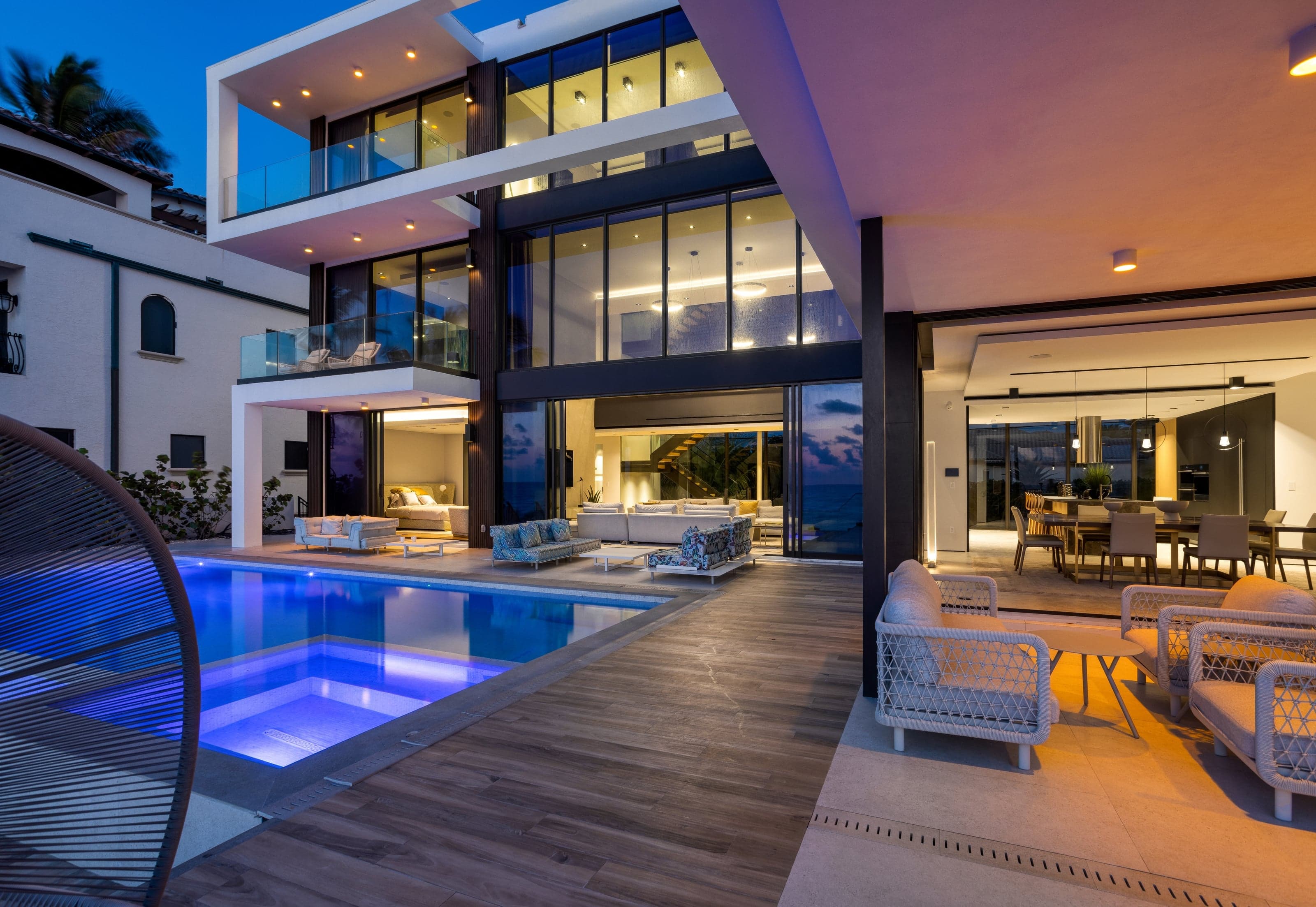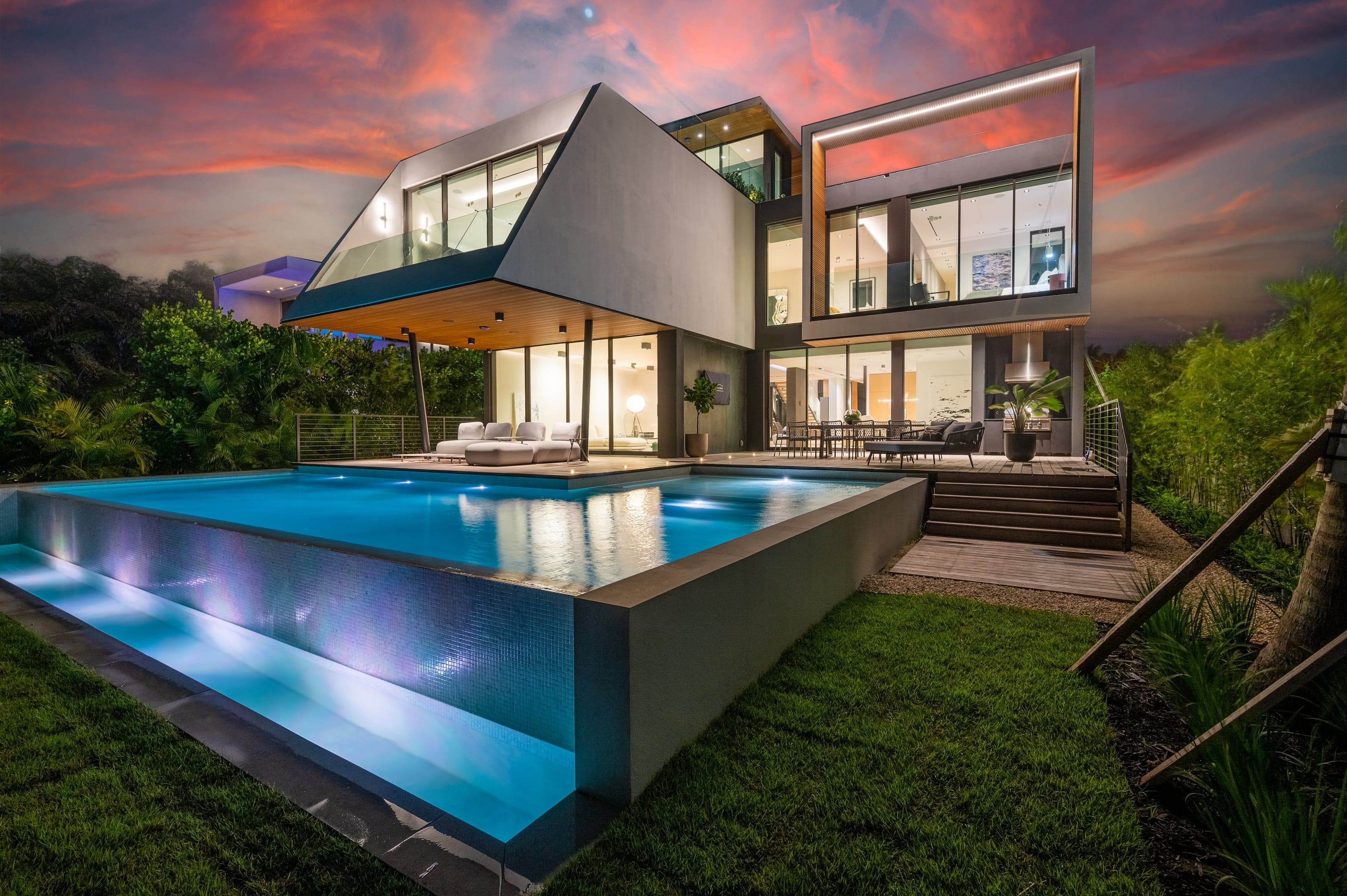
Overview
Palm Beach, Palm Beach
The Town of Palm Beach is a 16-mile barrier island whose residential tradition — Mediterranean Revival, Bermuda, Regency, and the occasional restrained contemporary — has been curated for nearly a century by ARCOM, the town's Architectural Review Commission. Building here means working inside a tight envelope of massing rules, setback restrictions, height limits, material expectations, and historic-district overlays covering much of Midtown, the South End's El Brillo corridor, and the exclusive North End. Lakefront and oceanfront parcels on Billionaire's Row routinely transact above $60M; Intracoastal-frontage estates in the Estate Section and South End set the national benchmark for private residential assets.
Why Sabal in Palm Beach
Why Sabal in Palm Beach
Sabal has built, permitted, and closed residences through full ARCOM cycles — from preliminary massing studies to final certificate-of-occupancy inspections. We understand what the commission approves, what the historic-district overlays protect, how the town's coastal construction control line interacts with FEMA elevation requirements on oceanfront lots, and why the wrong architect-builder pairing turns an 18-month project into 36. That institutional memory, earned project by project, is what clients who cannot afford surprises are actually paying for.
Frequently asked
Building in Palm Beach.
- What does ARCOM review on a Town of Palm Beach new-build?
- The Architectural Review Commission reviews exterior design — massing, scale, proportion, exterior materials, roof form, fenestration, and compatibility with the adjacent streetscape. Inside the historic districts (most of Midtown, the El Brillo corridor, and parts of the North End), the review extends to overlays governed by the Landmarks Preservation Commission. ARCOM does not review interior layout, programming, or landscape beyond the line of sight from the street.
- How long does ARCOM review typically take?
- Three to five months for a well-prepared scheme, beginning with a pre-application staff meeting. Preliminary approval usually takes one or two ARCOM hearings; final approval another one or two. Remands are common when schemes are submitted without prior staff consultation — each remand adds four to six weeks. Factor three to five months into the overall design schedule, and never present to ARCOM without a staff preview.
- Can I tear down an existing residence on the island?
- Outside the historic overlays, yes — with standard demolition permits. Inside an overlay, demolition of a contributing structure requires review by the Landmarks Preservation Commission, and denial is common for buildings pre-dating 1965. Some owners assume demolition is routine and are surprised when the LPC prevents it. Before signing a contract on a parcel with an older structure, confirm its contributing-structure status.
- What does waterfront new construction on the island cost?
- Construction costs for Intracoastal and oceanfront parcels in the Town of Palm Beach run $1,100 to $2,000 per square foot, excluding land, architecture, interior design, landscape, pool, dock, and FF&E. Billionaire's Row oceanfront transactions regularly clear $60M; top Intracoastal estates in the Estate Section and South End close in the $30M to $80M+ range.
- Has Sabal delivered projects in the Town of Palm Beach?
- Sabal has permitted and built through full ARCOM cycles on the island and maintains active relationships with the Town's staff, ARCOM members, and the local architects most frequently approved on first review. The firm treats Palm Beach as a primary market alongside Manalapan and Highland Beach, not a satellite project destination.